
AUTHORS: HANNAH CORNELIA, ANUKSHA RAMESH, AND SHARON CHEN
The TV show we have all been waiting for. I’m talking fists clenched, perched on the edge of your seat, frothing at the mouth, eyes fixed and enthralled… okay, maybe not exactly like staying in an insane asylum, but pretty damn close. Our lord and savior, Alice Oseman, a goddess among mortals, has finally adapted the iconic coming-of-age story ‘Heartstopper’ into a Netflix original. Unarguably sweet and wholesome, the show leaves the viewer with the sensation of a solid bear hug. If you’re hungry for shows with LGBTQ+ representation or awkward British romances, this is most definitely the show for you. Although specifically aimed at a young crowd, the Netflix adaptation has an all-ages appeal. And if you’re looking for something a bit more in-depth, we recommend the comic series which follows more of the characters’ complexities.
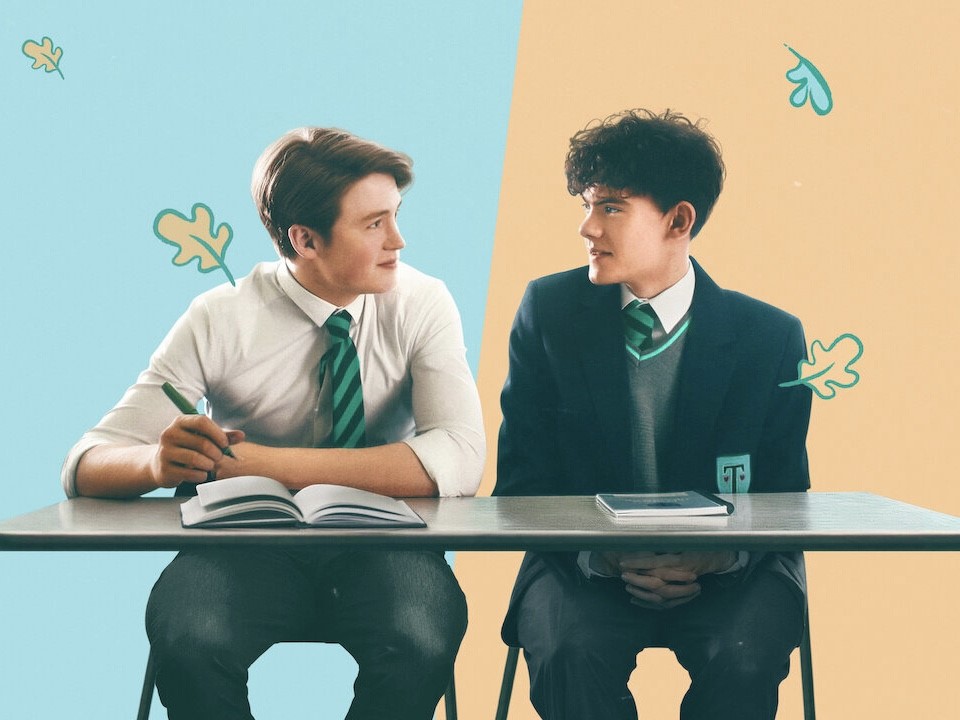
Heartstopper starts off with our protagonist, Charlie Spring, a year 10 student at Truman High school, who meeting his love interest Nick Nelson, a year 11 student, in home room (i.e. the British version of tutor group). They soon develop an innocent friendship after Nick’s pen bursts ink everywhere and Charlie is told to help clean up. In a permanent state of blushing, Charlie looks like he’s about to self-combust with social anxiety until the terror of talking starts to wear off, and they become naturally comfortable with each other. After this small incident, both boys grow affectionate at school, bit by bit, and their friendship slowly blossoms into something more. Nick’s awkward, stoic sweetness contrasts endearingly with Charlie’s chronic uncertainty and beautiful vulnerability, both representing the different faces of LGBTQ+ youth.
Without spoiling the entire plot, each character of the show goes through troubles often faced by queer teens in real life. Perhaps it’s the sense of relatability or seeing your favorite character bothered, maybe even a mix of both, but it’s near impossible to NOT cry during this emotional tale. Near the end, the plot shifts to focus on mental health issues – specifically, Charlie’s mental health issues. Oseman treats this topic with care, shining a light on the prevalence of mental illness in the LGBTQ+ community. With this in mind, we would like to give a warning that the show and comics do include topics that many might find triggering (i.e. self-harm, eating disorders and discussions of trauma), so please be careful when consuming.
Personally, we absolutely love Heartstopper. We think the characters are so well drawn-out, and each story-arc leaves us myself mixed with emotions. Whether we’re yelling at homophobic characters; bawling our eyes out during heartbreaking scenes; or getting second-hand embarrassment from these infatuated British boys, this story never bores.
In this world, being a teenager doesn’t seem so bad. Double dates with opulent milkshakes too lovely and twee to ever exist. But they do!! A rainbow tinted paradise, the show softens the hard edges of life, soothing the soul. Akin to heaped spoonfuls of cuteness, Heartstopper manages to incorporate classic teen crush touchpoints: sequences of furiously scrolling through each other’s social media pages, strategic use of pouring rain for unexpected kisses, copious amounts of montages and the intensity of text messaging. The show is loaded up with subtle moments of friendship and romance that will likely cause you to cease functioning at points. And. So many tears…
The TV adaptation even nods its origins to the graphic novels with moments of animation. Hands almost touch, and cartoon lightning crackles between Charlie and Nick. When Elle wonders if she has feelings for Tao, popping hearts appear in the air. The show has a modern sophistication, with emotionally articulate protagonists and a mature grasp of sexuality through a spectrum, however; homophobia still remains and still sucks. Grounded on lack of understanding and occasionally plain maliciousness, Nick’s friends accost and needle Charlie, all because of his sexuality. Ben, a previous toxic, abusive partner of Charlie, turns bitter, and fueled by self-loathing, he continues to be a haunting figure in Charlie’s life.
Overall, the show is incredible. It is able to accurately portray and describe common experiences among queer teenagers. Being able to follow the journey of Charlie and Nick as they go through ups and downs, not just through queerness but other issues regarding mental health is truly uplifting. Although the Netflix Adaptation did not include Aled, a major character in the comics, the addition of Isaac and Imogen was awesome—the debate for whether Imogen was truly needed in the show is another topic entirely.
Luckily for those of us who have already rewatched the show three times, Alice Oseman has recently confirmed the making two more seasons on her instagram, which will cover volumes 3 & 4 of the comics. We can’t wait to see what happens next in the Heartstopper universe!