
AUTHOR: MIRIAM COWAN
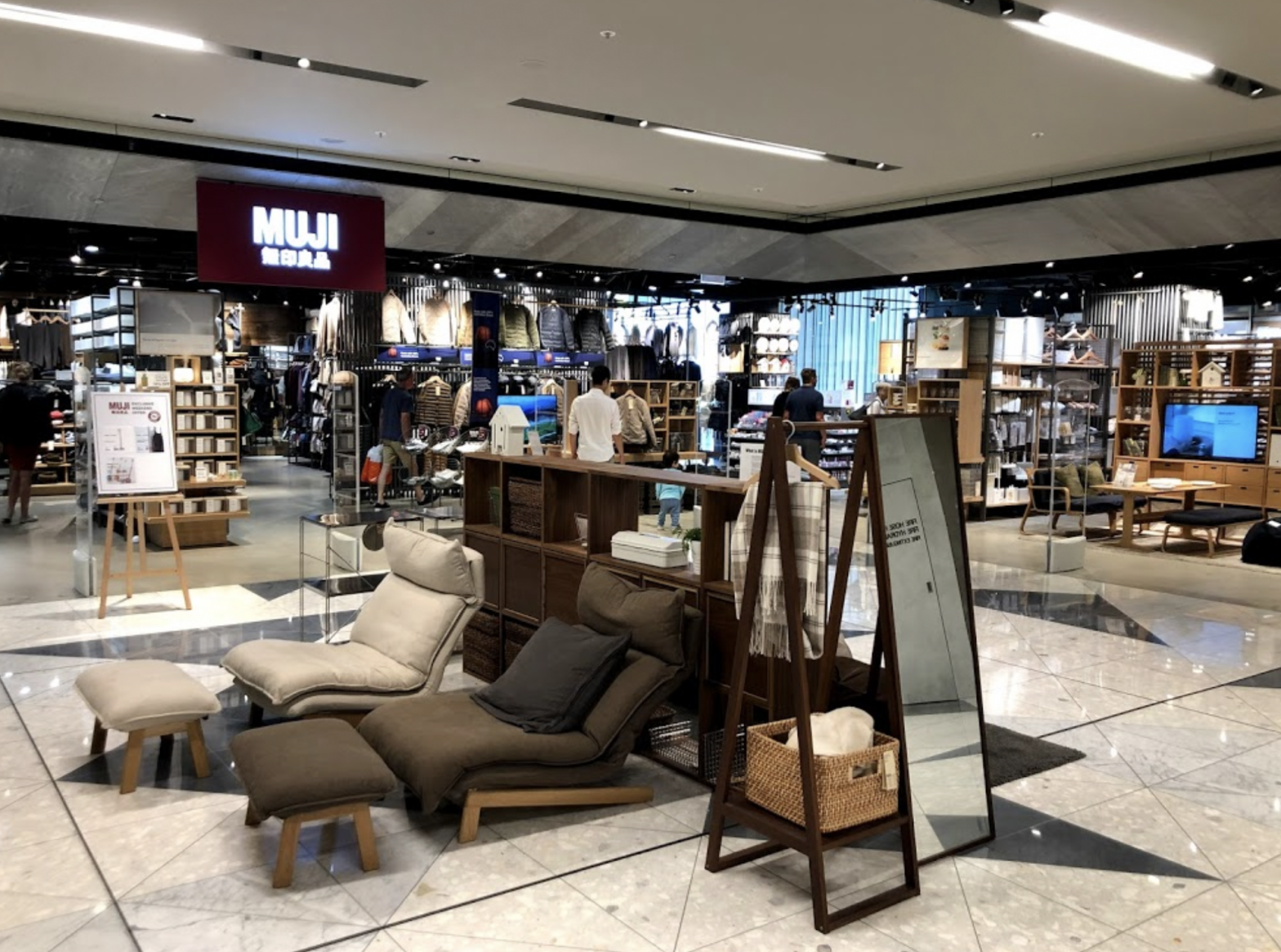
Japanese brand MUJI has developed a cult of popularity among fans of their no-logo, no-nonsense style. Students like their wide variety of unique stationery in particular.
However, MUJI also sells simple cotton clothing and has recently been advertising that their cotton is from the northern Chinese province of Xinjiang. People are being put into internment camps in Xinjiang by the Chinese government, where they are forced to do manual labour such as producing the cotton that MUJI is using in its clothes.
Millions of people detained in Xinjiang forced labour camps
The forced labour camps in Xinjiang in northwestern China have been operating for the past four years. The government has detained millions of people who belong to ethnic and religious minorities, mostly Uyghurs.
The detainees are being forced to assimilate politically and religiously. Their religious practices and political views have been suppressed for many years, and there is evidence that the government is trying to eradicate them through forced sterilisations and abortions. More people than ever are now in secret forced labour camps.
MUJI continues to source cotton from Xinjiang: ‘no significant issues’
There has been international backlash over the human rights violations, and MUJI boasting about their high-quality cotton from these forced labour camps has led to a lot of controversies. In March, MUJI stocks dropped sharply to reflect the controversy.
MUJI says they have “deep concerns” over the allegations of racism and forced labour in Xinjiang. However, they claim to have investigated how the Xinjiang cotton is being produced and decided there were “no significant issues”. MUJI has also emphasised how China is just one of the many countries they source cotton from.
On the other hand, in China itself, people have been boycotting foreign companies who refuse to source cotton from Xinjiang. MUJI may be ignoring the issue of forced labour in Xinjiang to protect its market in China and avoid a boycott there. Either way, MUJI continues to source cotton from Xinjiang.
Companies have a responsibility to ethically source their products; Xinjiang cotton ‘cannot be trusted’
The Ethical Trade Initiative (ETI) is an independent body that monitors how companies and other organisations supply their products. The ETI aims to improve the lives of workers everywhere by holding companies accountable for their responsibility to ethically source their products.
The ETI has urged companies to ensure their cotton supply chains are not at all connected to the province of Xinjiang and its forced labour camps.
The ETI adds that investigations into the labour there “cannot be trusted” and there is a very high chance that all work going on there is involved in forced labour.
MUJI is still popular in Australia, but should it be?
MUJI’s lack of ethical considerations does not seem to be affecting its popularity in Australia. MUJI became very popular very quickly when it first expanded here, because of how unique its products and branding are compared to other shops in Australia.
But does MUJI still deserve its popularity? At CGGS, MUJI’s stationery is everywhere, apparently just as popular now if not more since the Xinjiang controversy. However, Xinjiang cotton is not a material used in MUJI’s stationery, just in their clothing.
Consumers have an ethical responsibility to avoid buying goods that support forced labour. However, does this extend to the whole brand if only some of their products include the unethically sourced material? If MUJI is willing to use forced labour in some of its products, how can consumers know that there are no more hidden issues? MUJI stationery is incredibly useful for students, but there are other options.
Already, some consumers are making the choice not to buy MUJI, sending a clear message to the company that these people will not support the use of unethical forced labour.