

AUTHOR: EMILY RAE-BRINSDEN
— Welcome to White Space. You have been living here for as long as you can remember
Initially, OMORI was… a hard game for me to get into.
To put it simply, OMORI’s creator isn’t a great person. They’ve done things that make me feel really uncomfortable, and I felt—and still feel—bad about playing and enjoying a game made by someone who has done such horrible things. As such, I’m not going to mention the creator’s name in this article: while it is undeniable that I am supporting them by liking their game, I don’t think they deserve credit for the earnest emotions that their game made me feel.
Because, and I say this rather guilty, OMORI has become one of my favourite games, with some of my favourite characters.
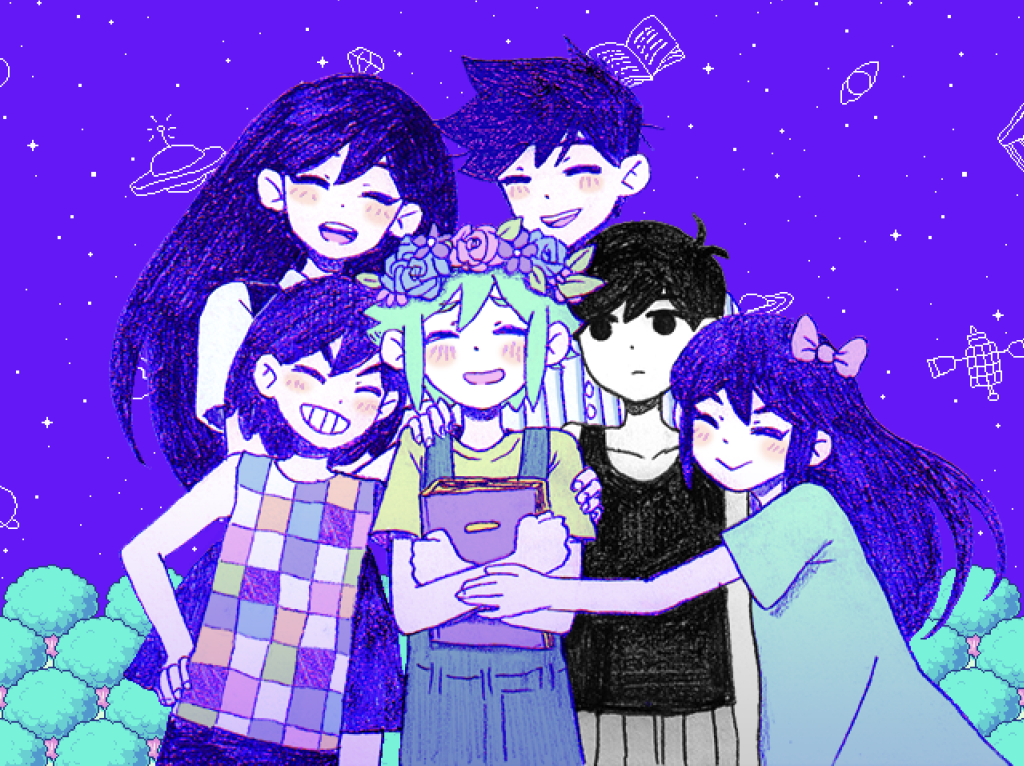
OMORI is a game about a lot of things. It’s a game about love, friendship, and childhood; it’s a game about loss, grief and death. Most of all, it’s a game about admitting the truth, both to those around you and to yourself. The game and its story act as sobering reminders to the fact that, no matter what, you can’t run from the things you’ve done. You can’t hide from your past. And that ‘it[‘s] selfish to dream so long when there are those who are expecting you’—your actions affect more than just you, and it is unfair to allow others to face the consequences of them while you hide away and avoid them.
Before I go on, I’d like to give a few warnings. Firstly, this article will contain spoilers for all of OMORI. Secondly, OMORI is a horror game, and as such contains disturbing—and sometimes graphic—imagery. Finally, death, violence, self-harm, and suicide are all major components of OMORI’s gameplay and story, and if any of those are things that make you uncomfortable, it might not be the game for you.
Now that that’s all out of the way, let’s get started!
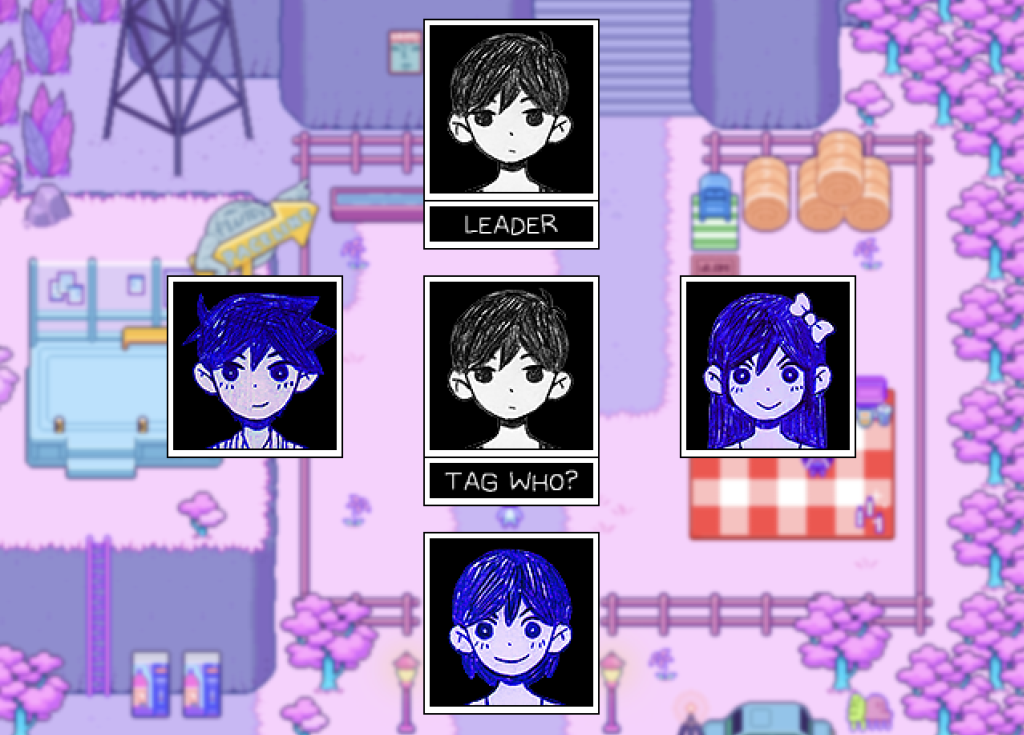
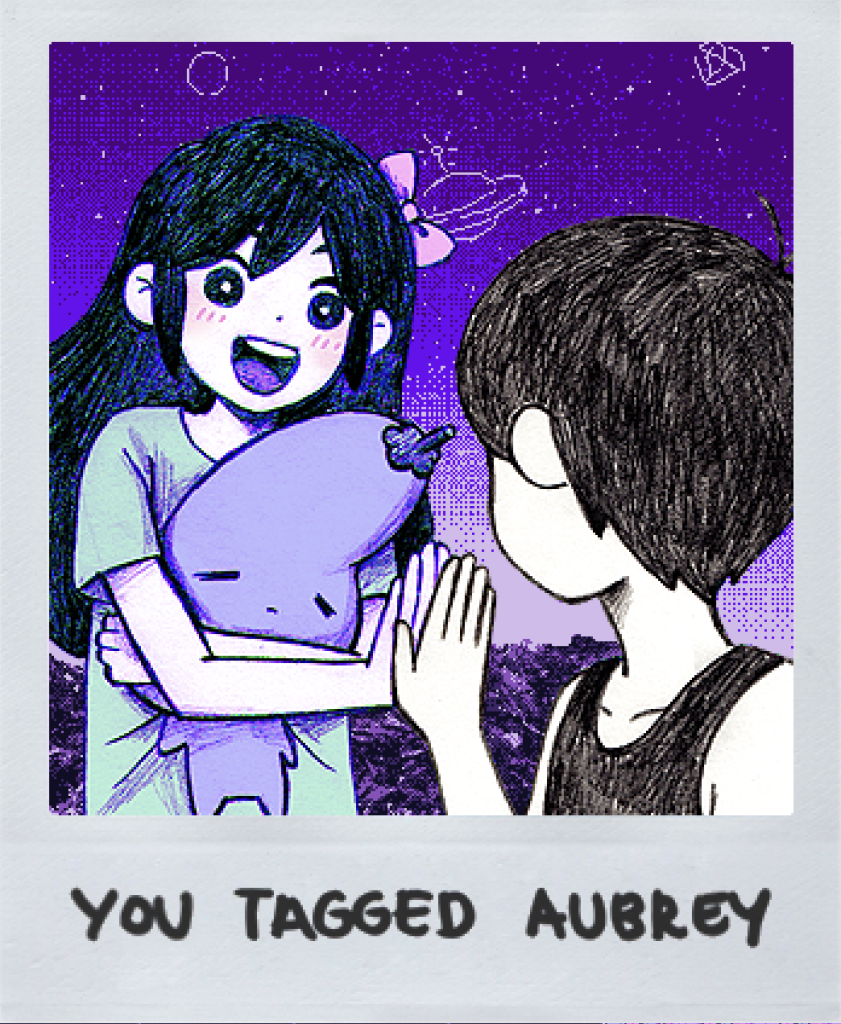
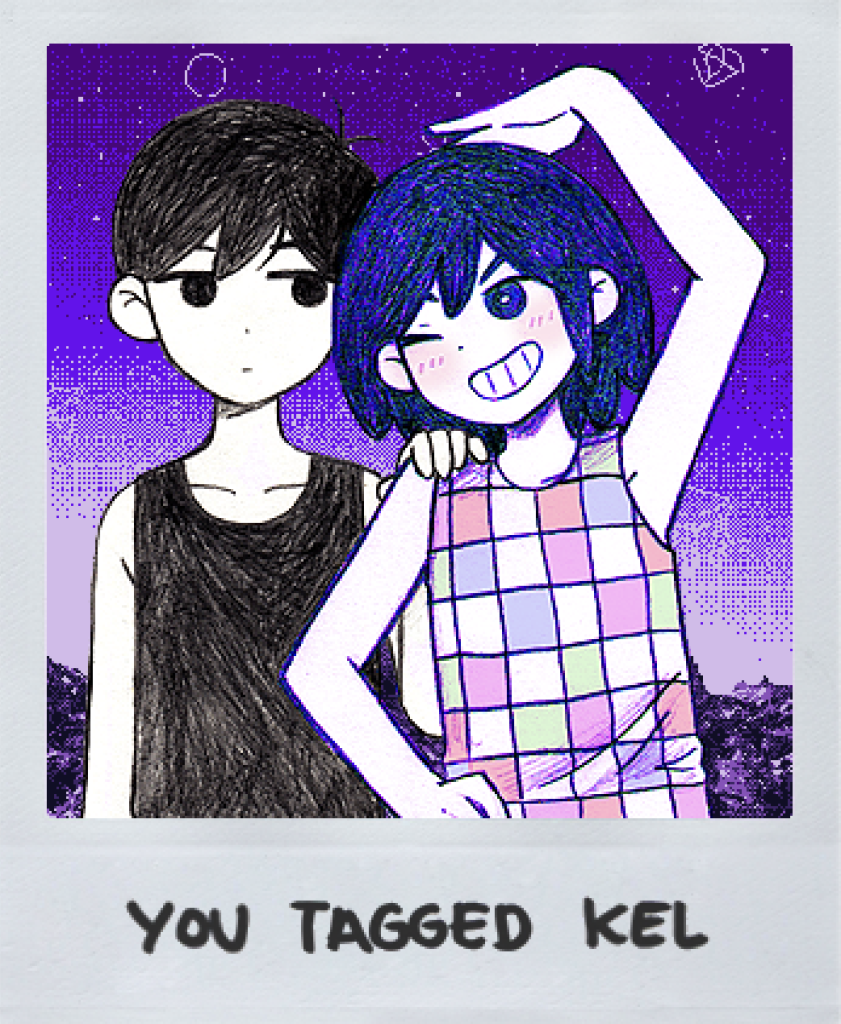
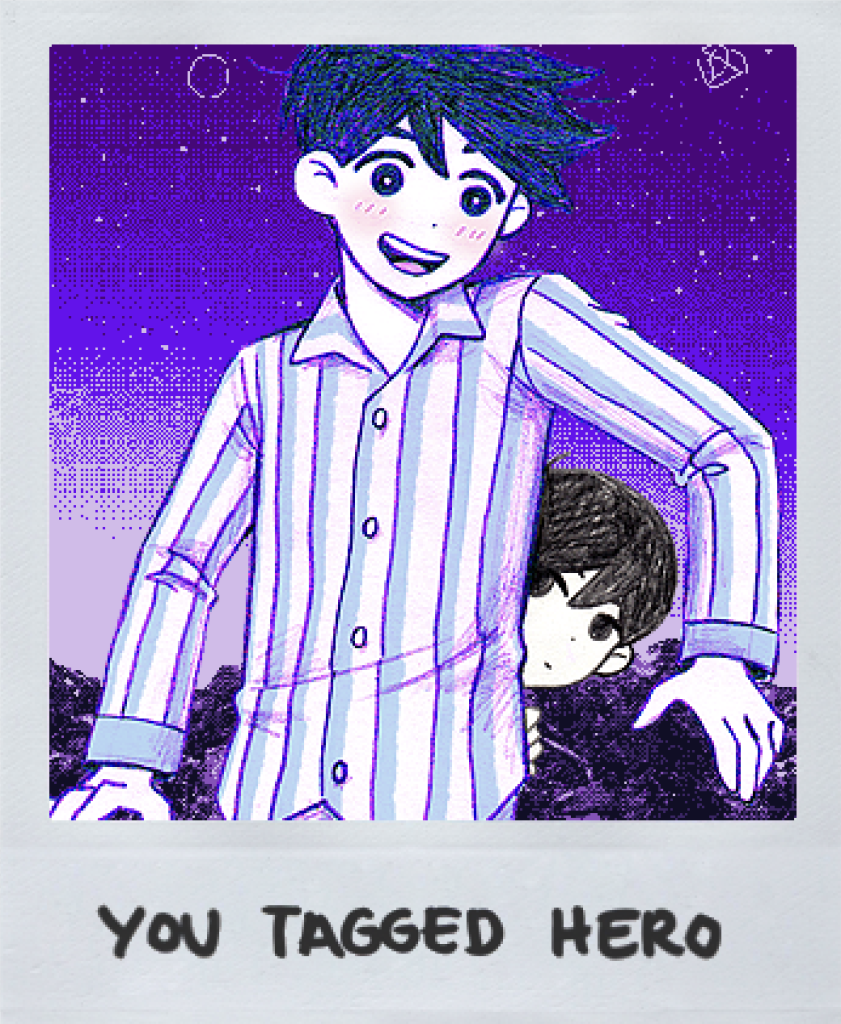
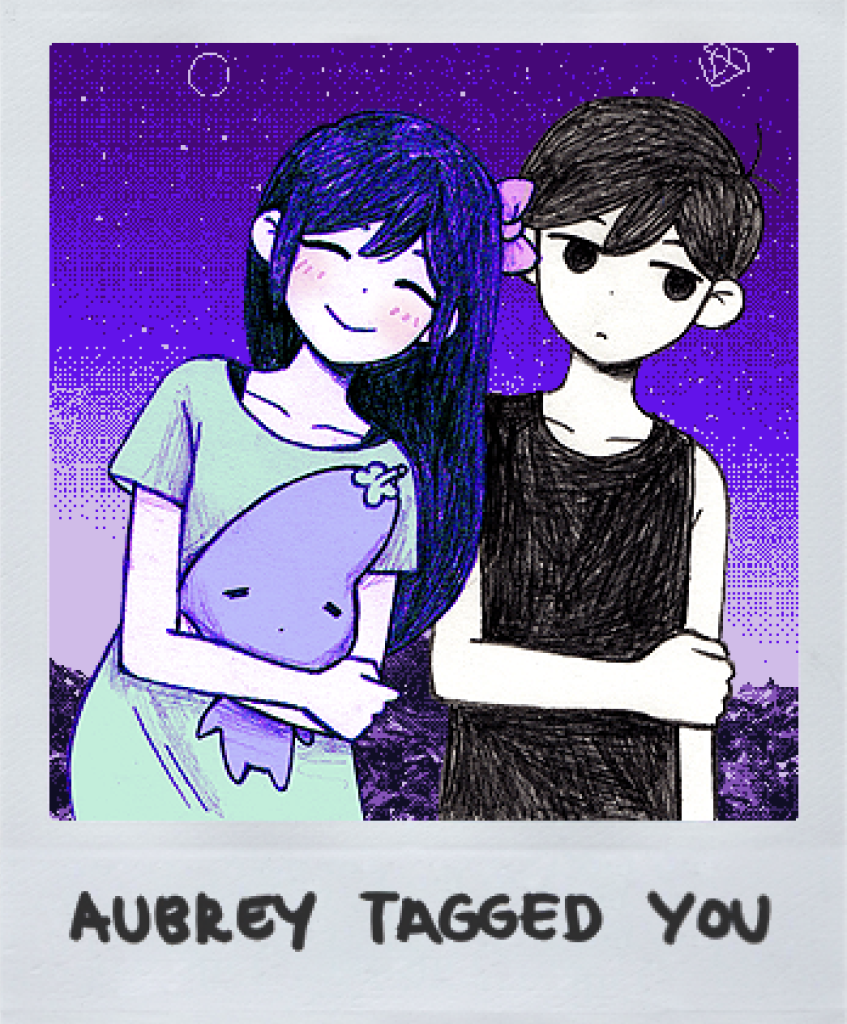
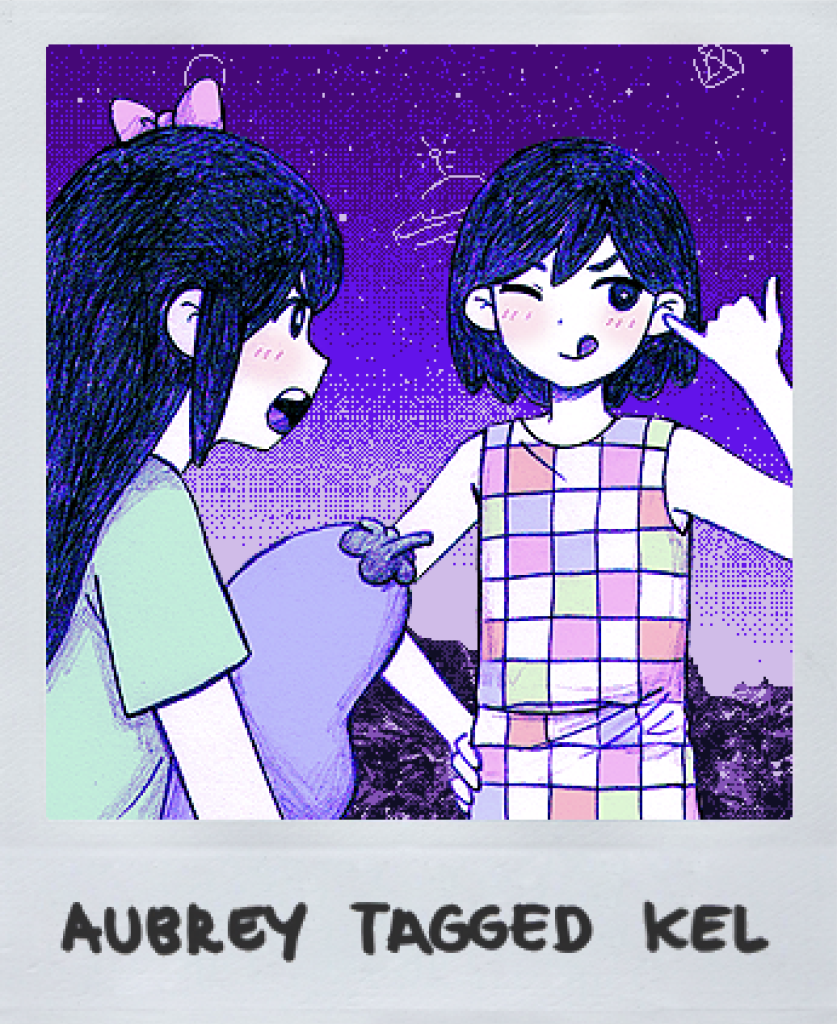
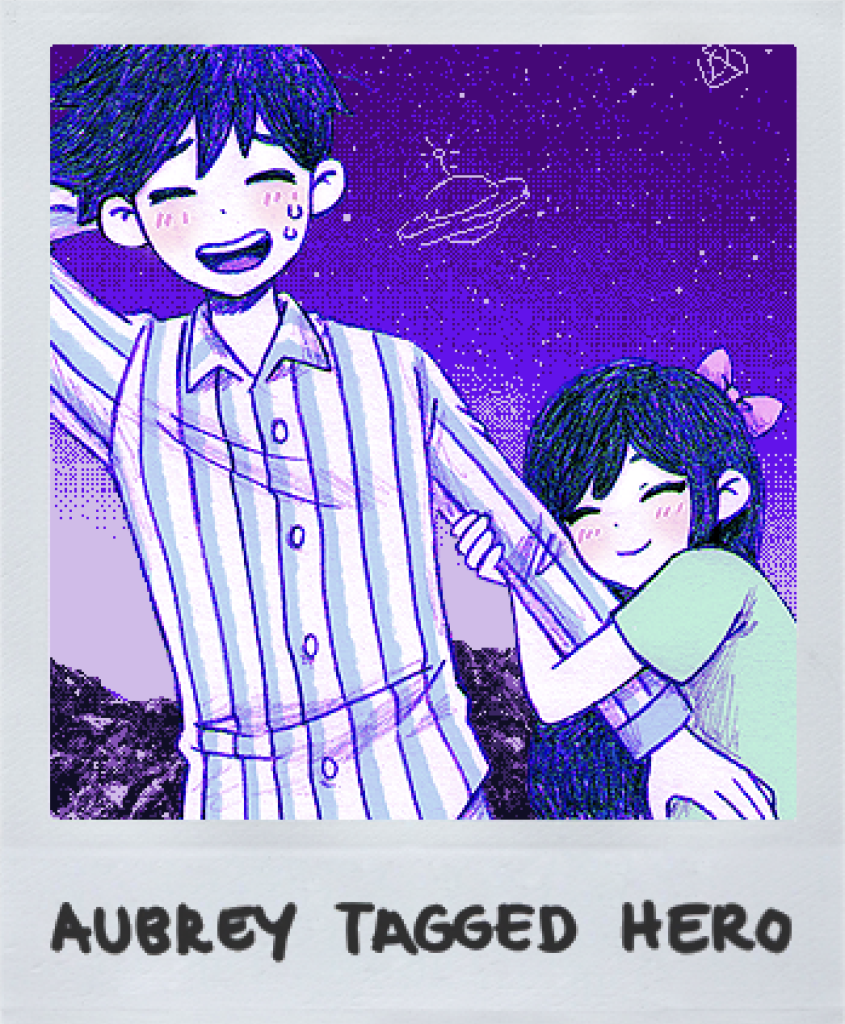
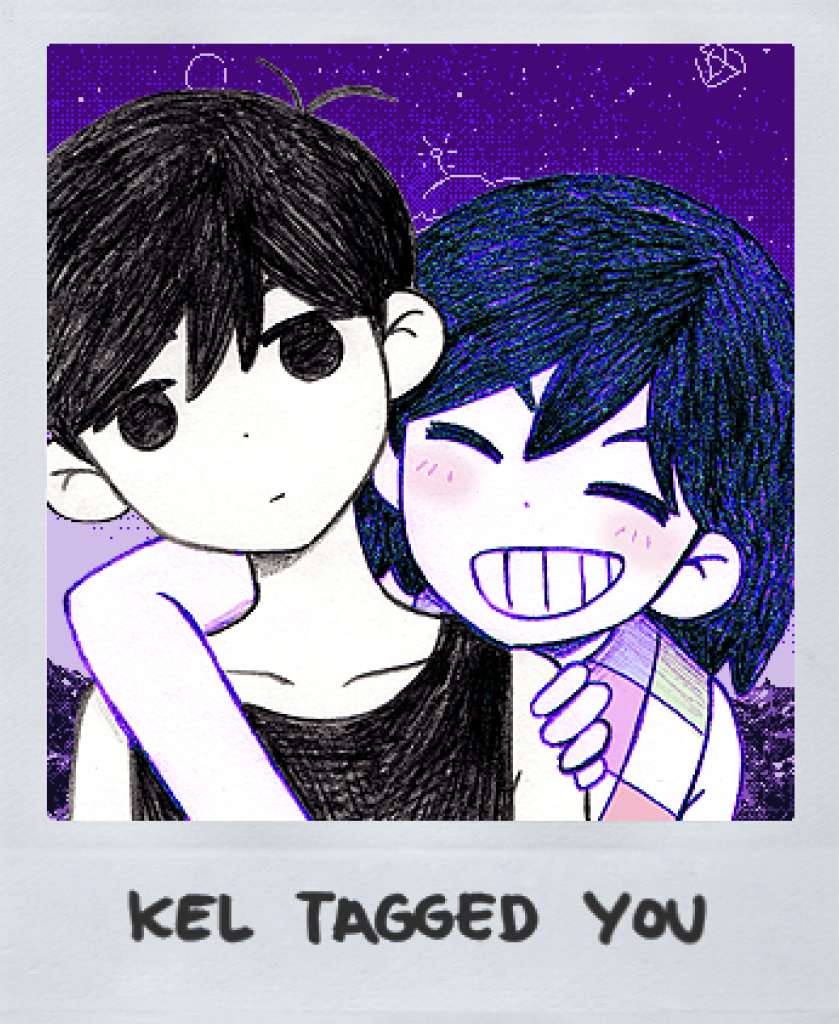
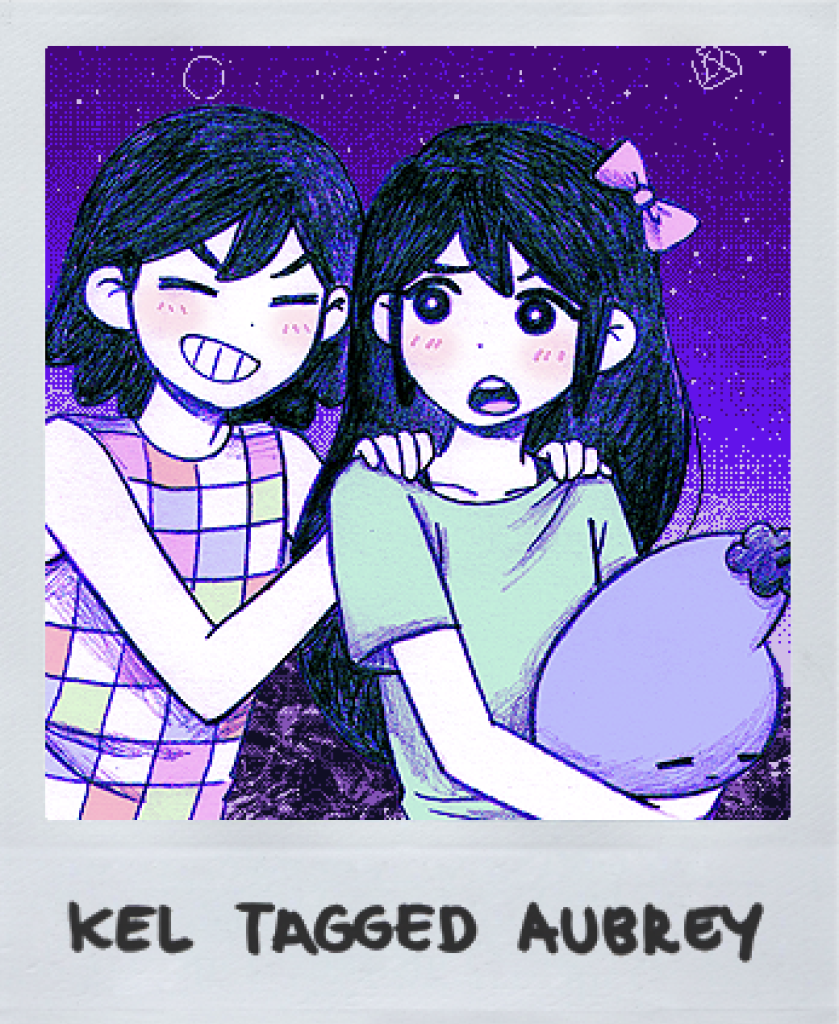
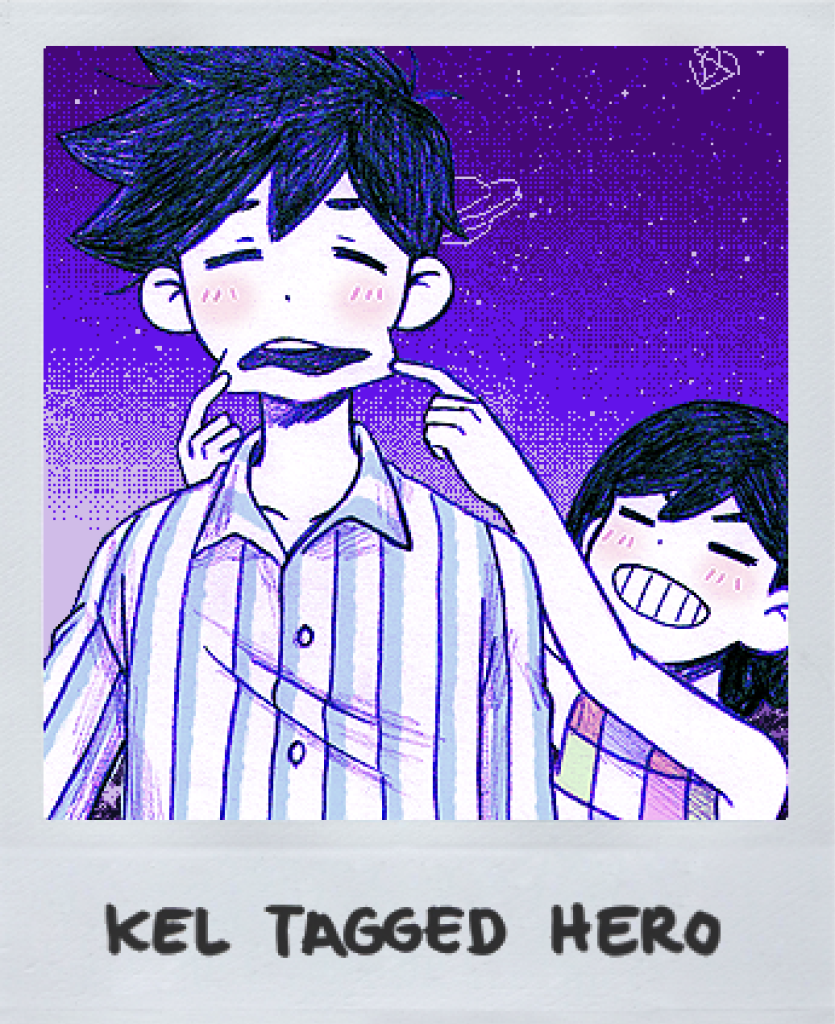
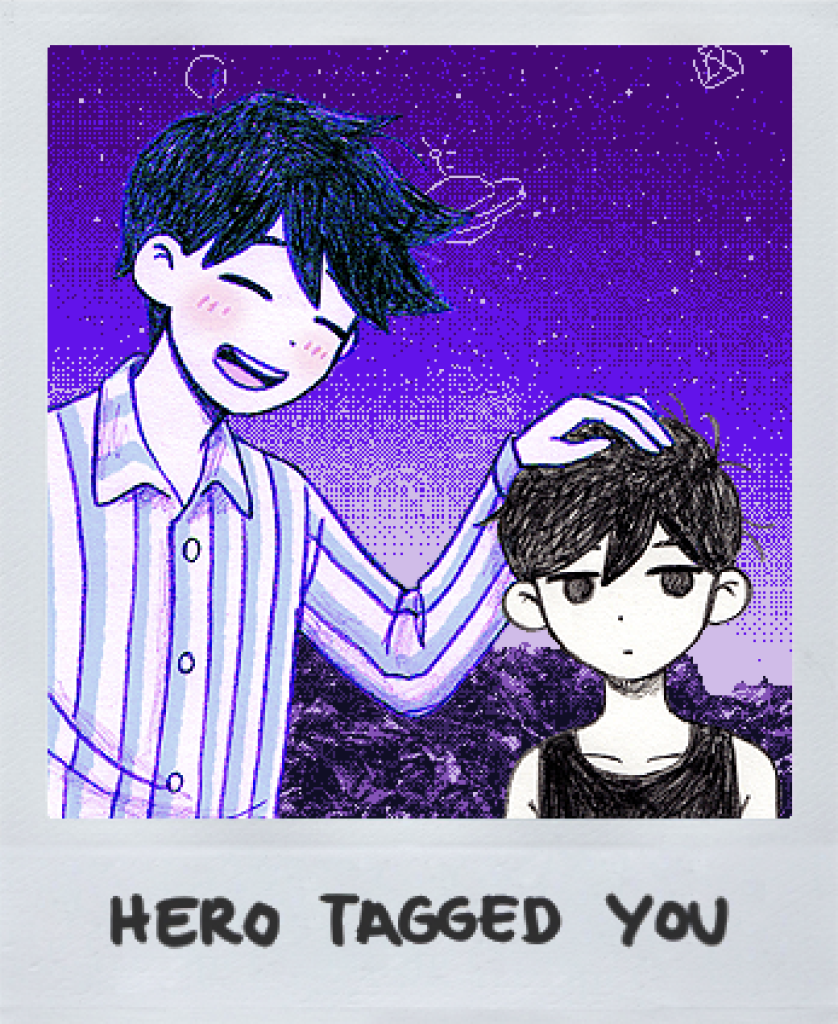
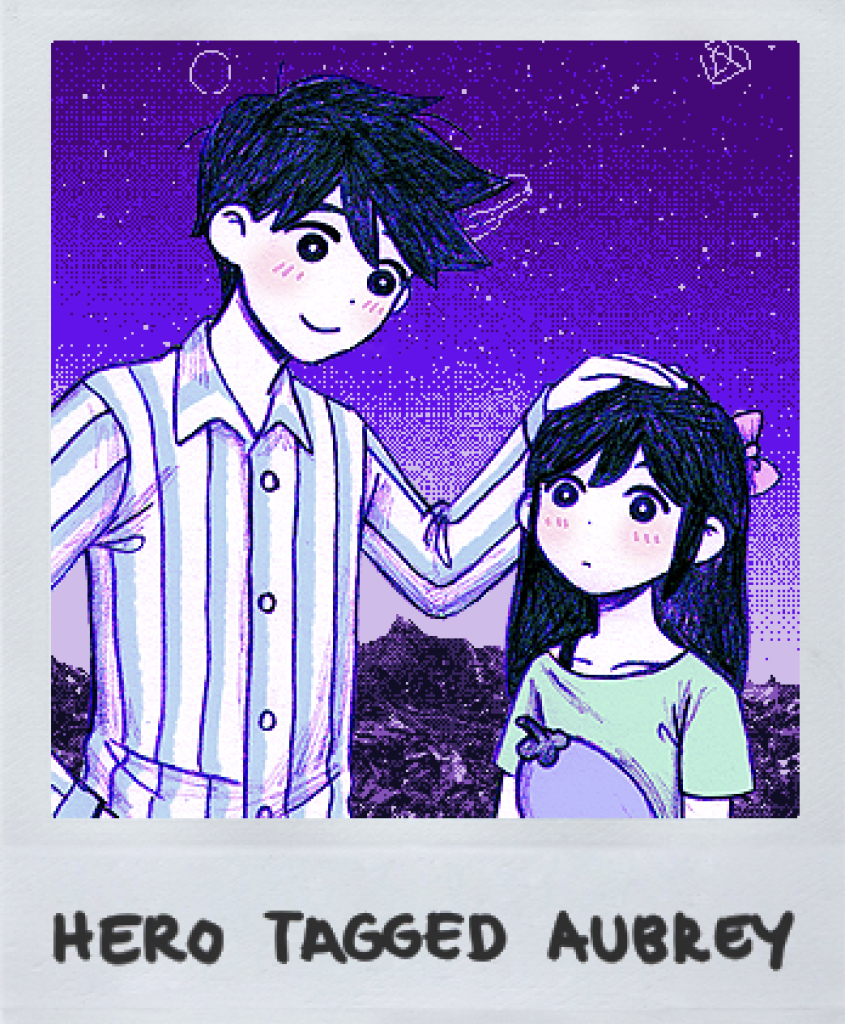
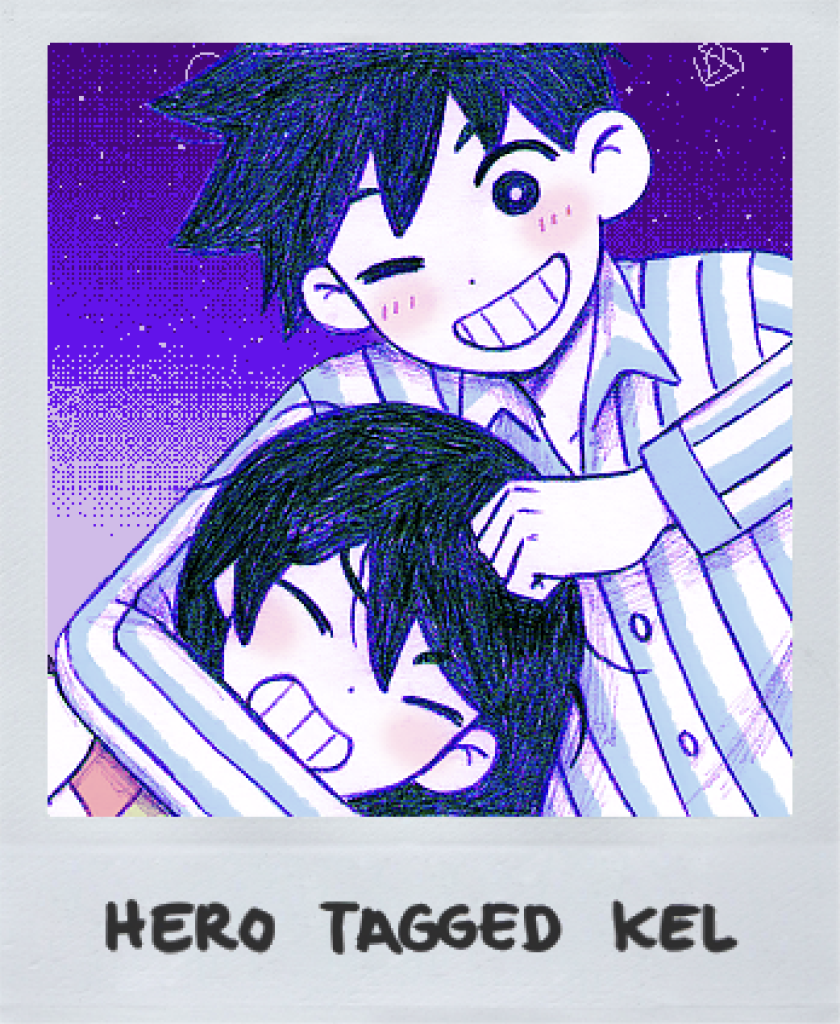
OMORI, much like Witch’s Heart, is another RPGmaker horror game that I’ve fallen in love with. On the surface, it’s a charming adventure game with cute graphics and even cuter characters—my favourites are Mari, Hero, and Kel.
… And now that I’ve mentioned them, I suppose I should introduce you to OMORI’s main characters. In Headspace, you predominantly play as ‘OMORI’, a non-verbal twelve-year-old who fights with a large steak knife. The three other characters you can occasionally play as are Aubrey, a sweet yet hot-headed girl who loves bunnies and fights with a baseball bat; Kel, the slightly annoying but incredibly funny boy who fights with a basketball; and Hero, Kel’s charming—and cowardly—older brother whose primary position is that of a healer. Like OMORI, Aubrey and Kel are twelve while Hero is fifteen.
The final two characters of importance are Mari, OMORI’s delightful older sister who is stationed at various points around Headspace, hosting picnics that allow players to heal up and save their game—she is fifteen; and Basil, also twelve, who loves flowers and taking pictures of his friends. Particularly when they aren’t ready for it.
Early in the game, Basil disappears—an incident which allows players to get their first glimpse of the true horror of OMORI and acts as the driving force of the game’s plot. Not only does it lead OMORI, Aubrey, Kel, and Hero to search the world of Headspace for him, but it reveals that Headspace… is just that. An imaginary world created as a coping mechanism by Sunny, the true protagonist of the story, and OMORI’s real world counterpart.
‘And what is Sunny trying to cope with?’ you may ask…
Why, Mari’s death of course!
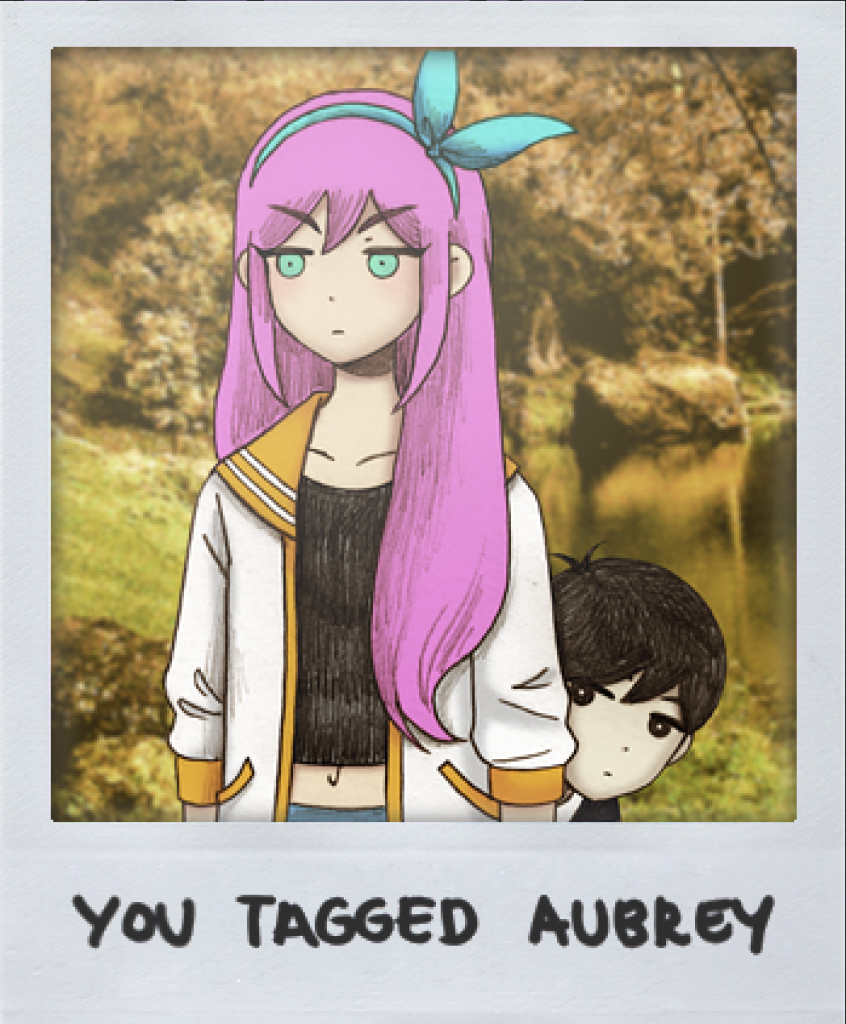
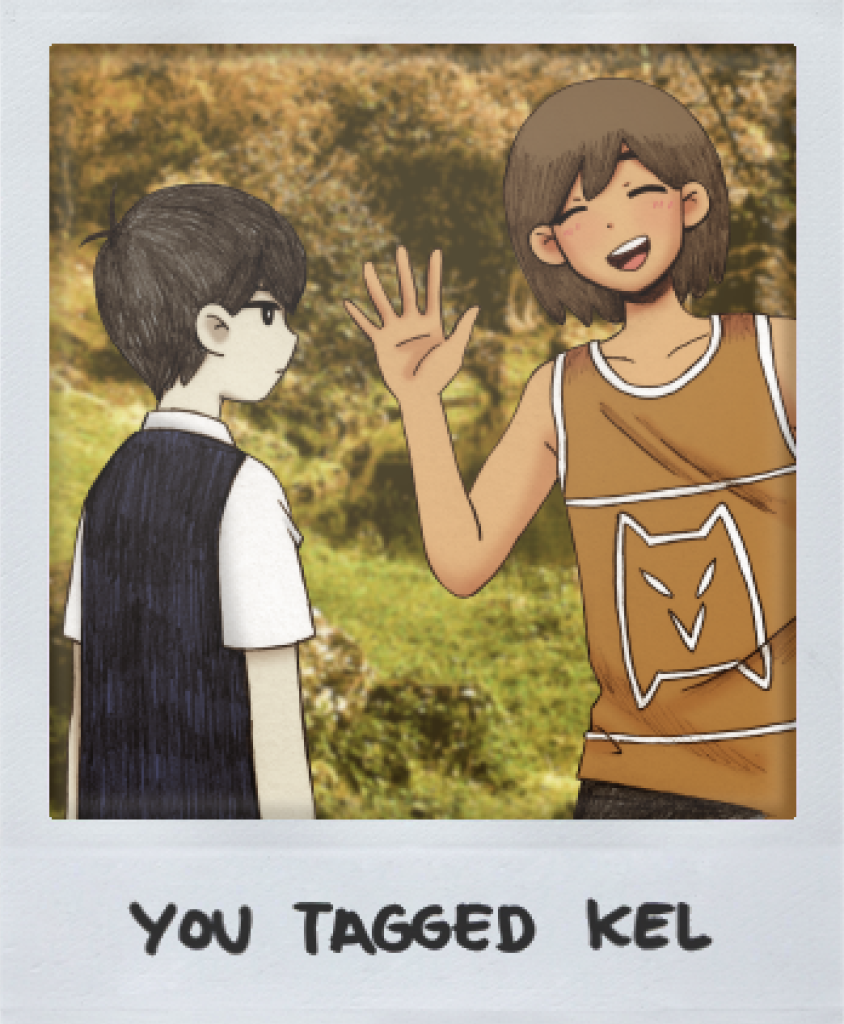
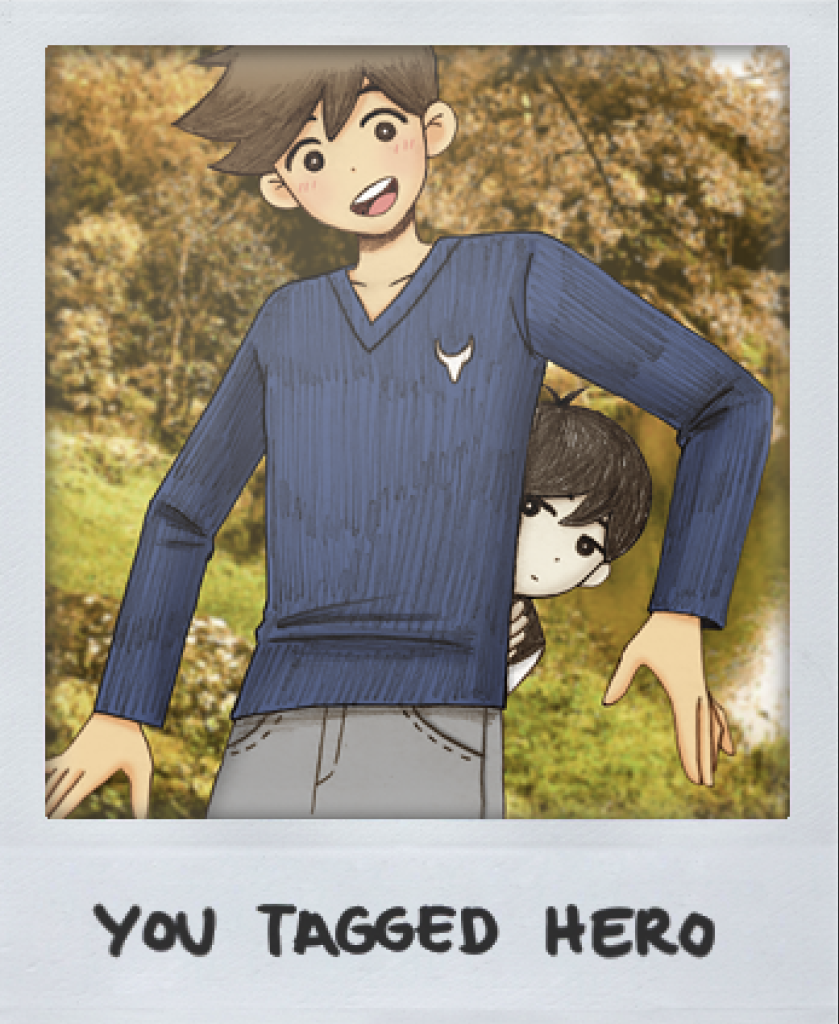
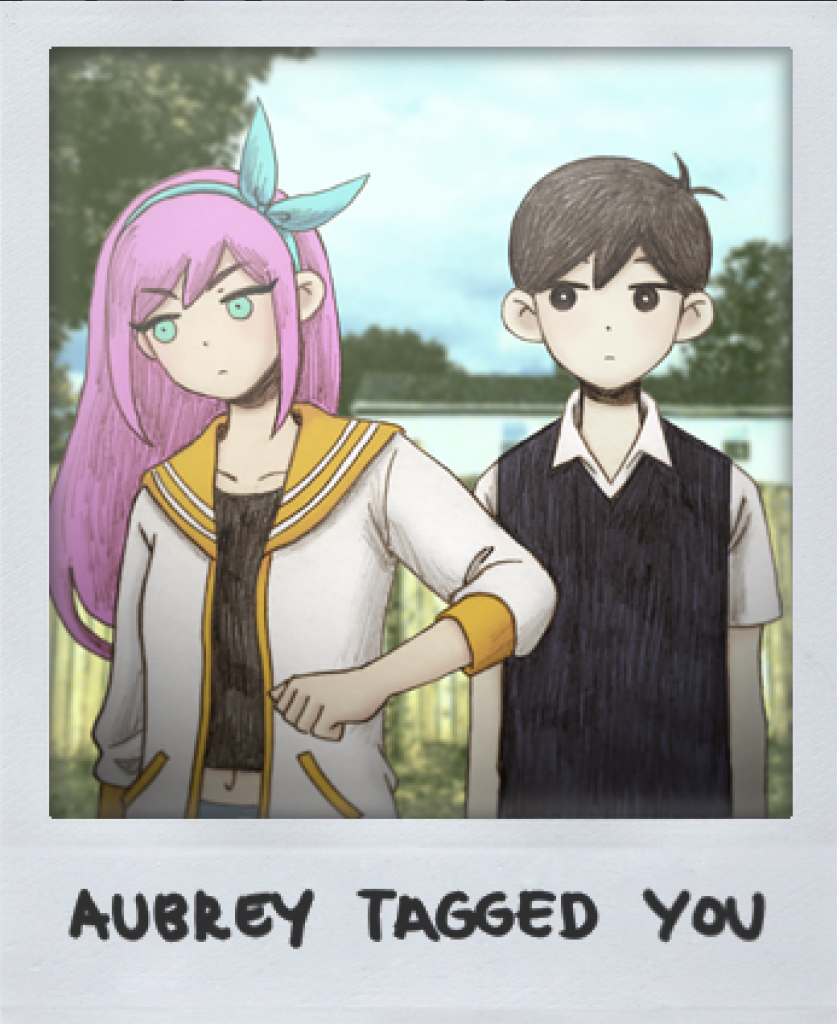
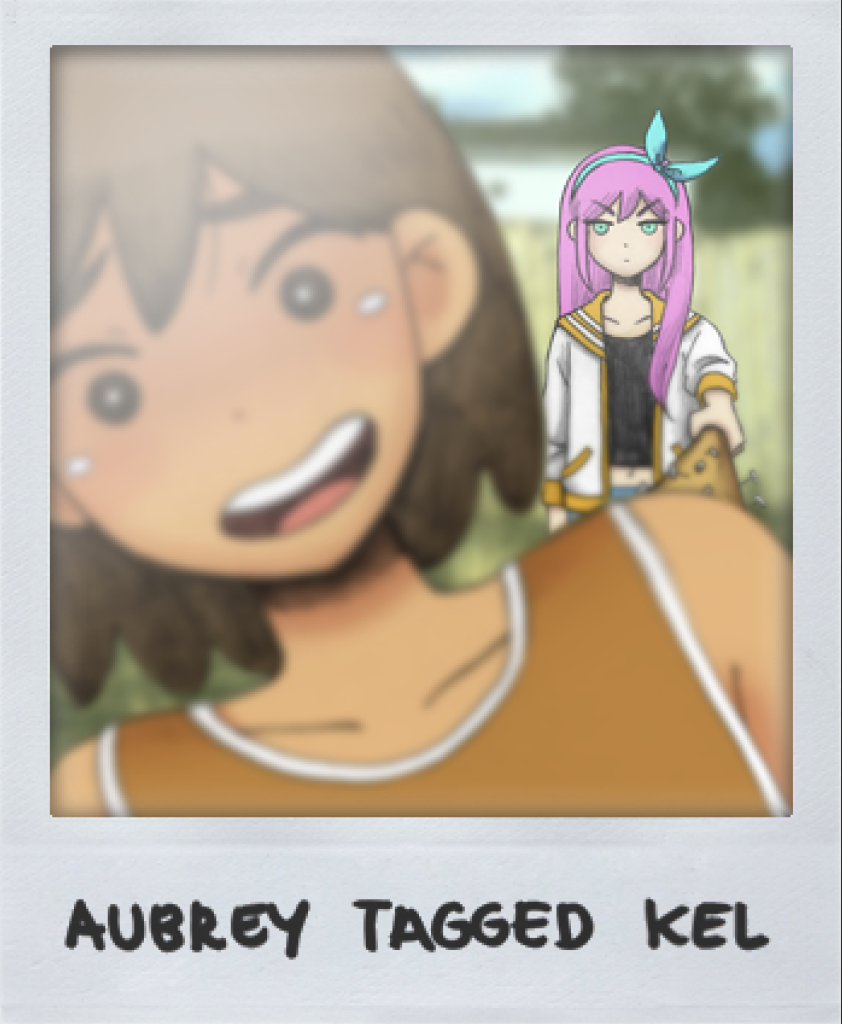
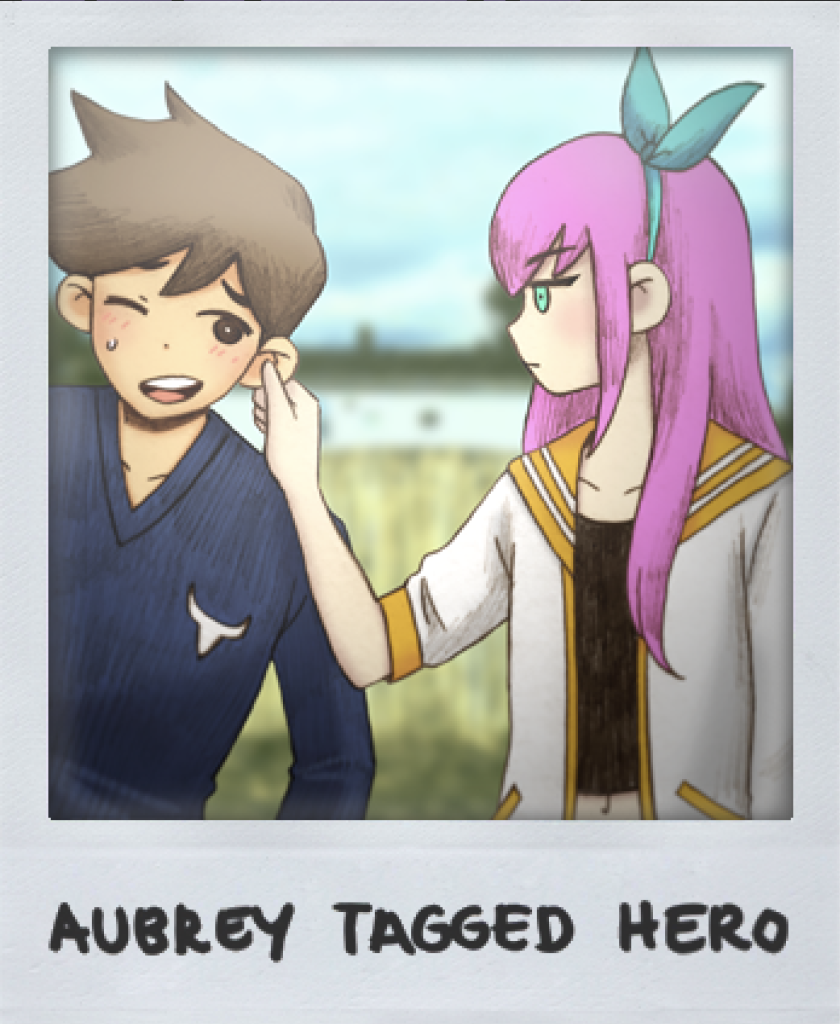
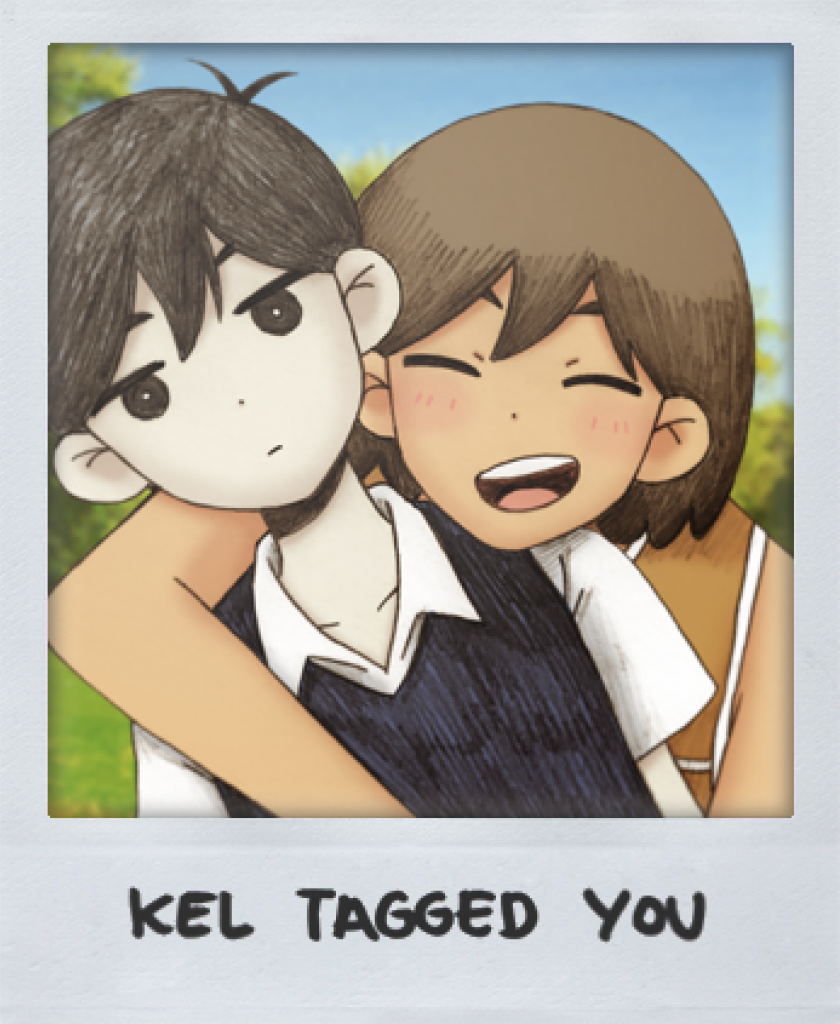
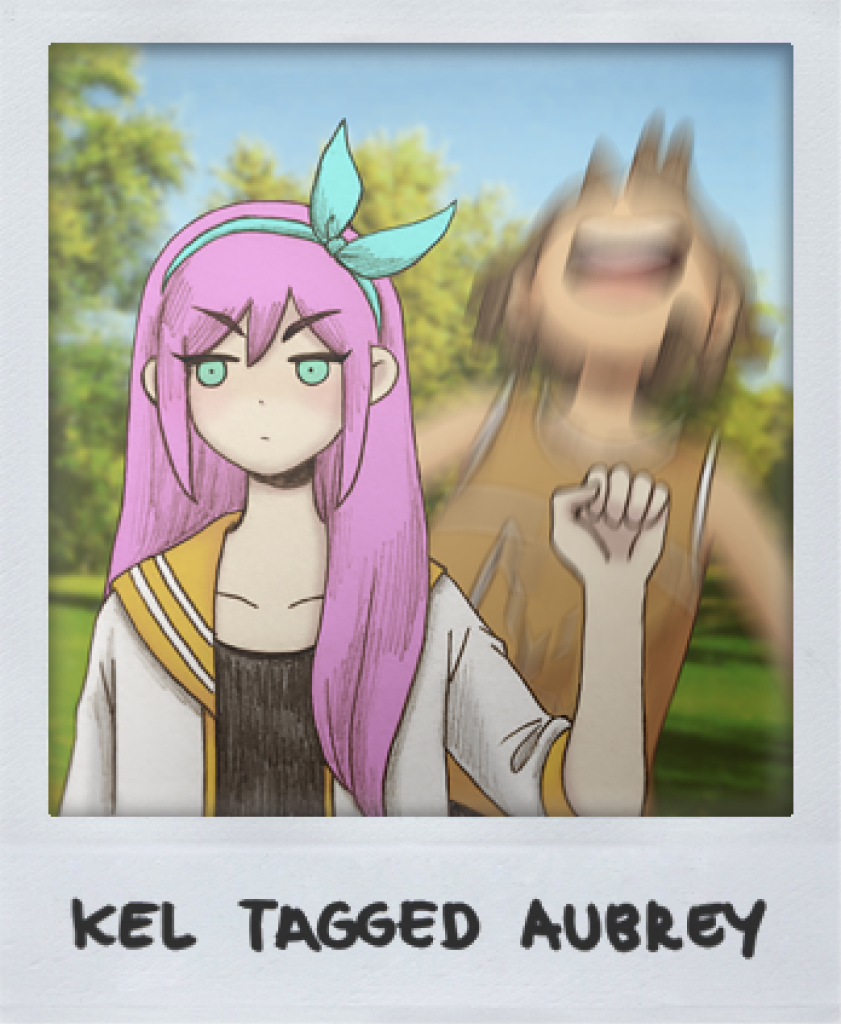
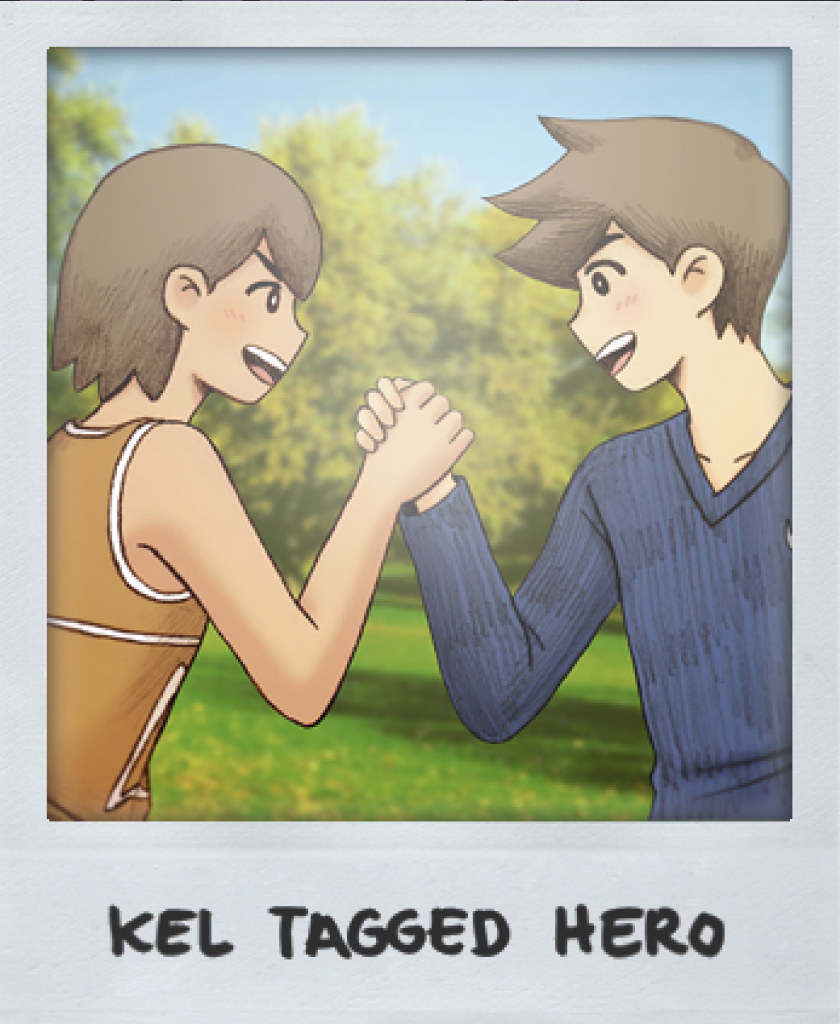
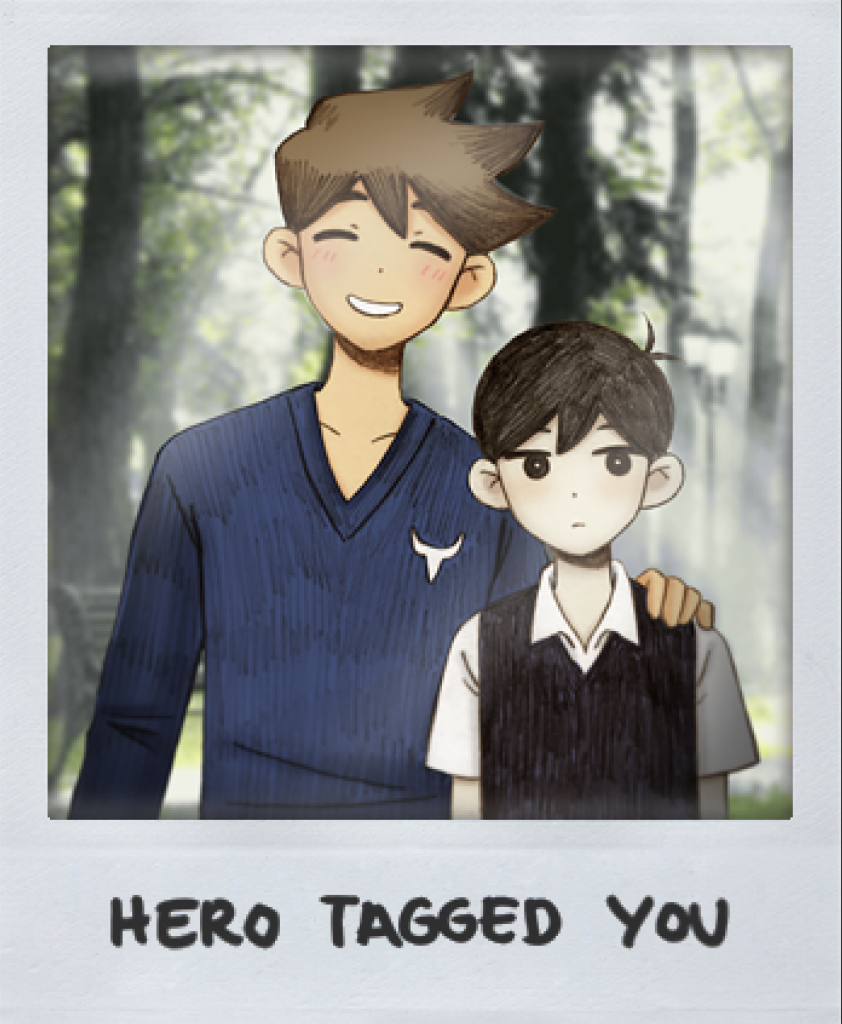
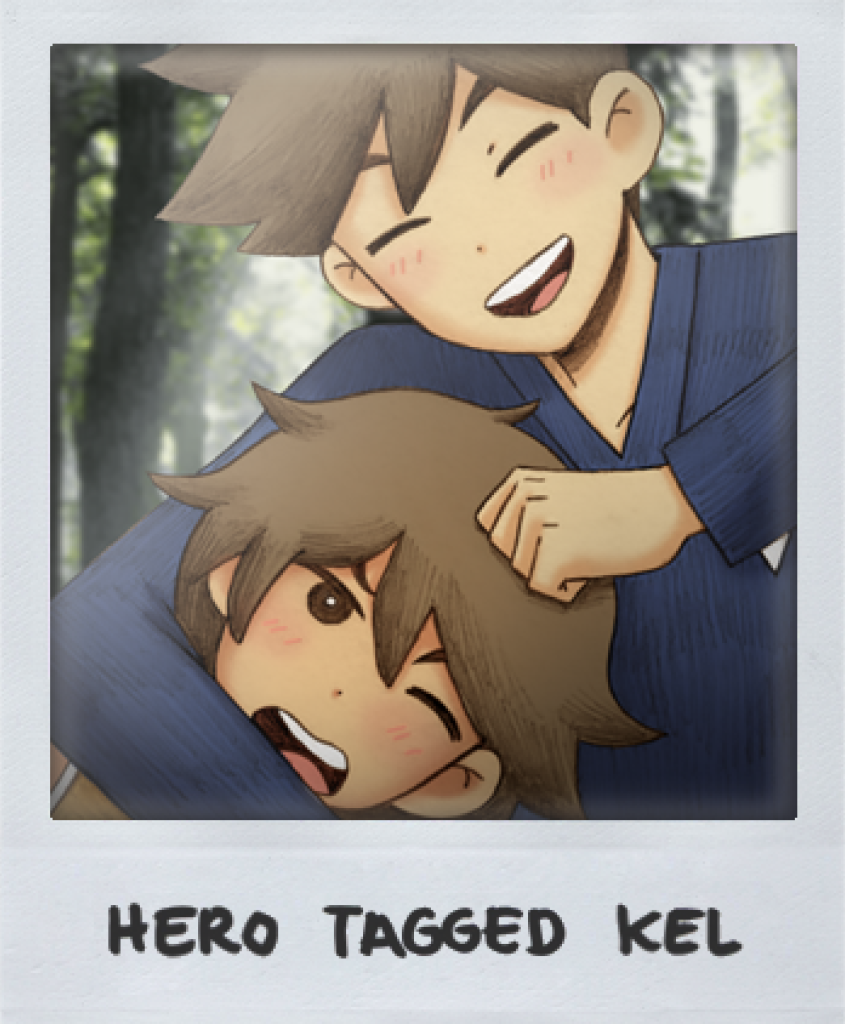
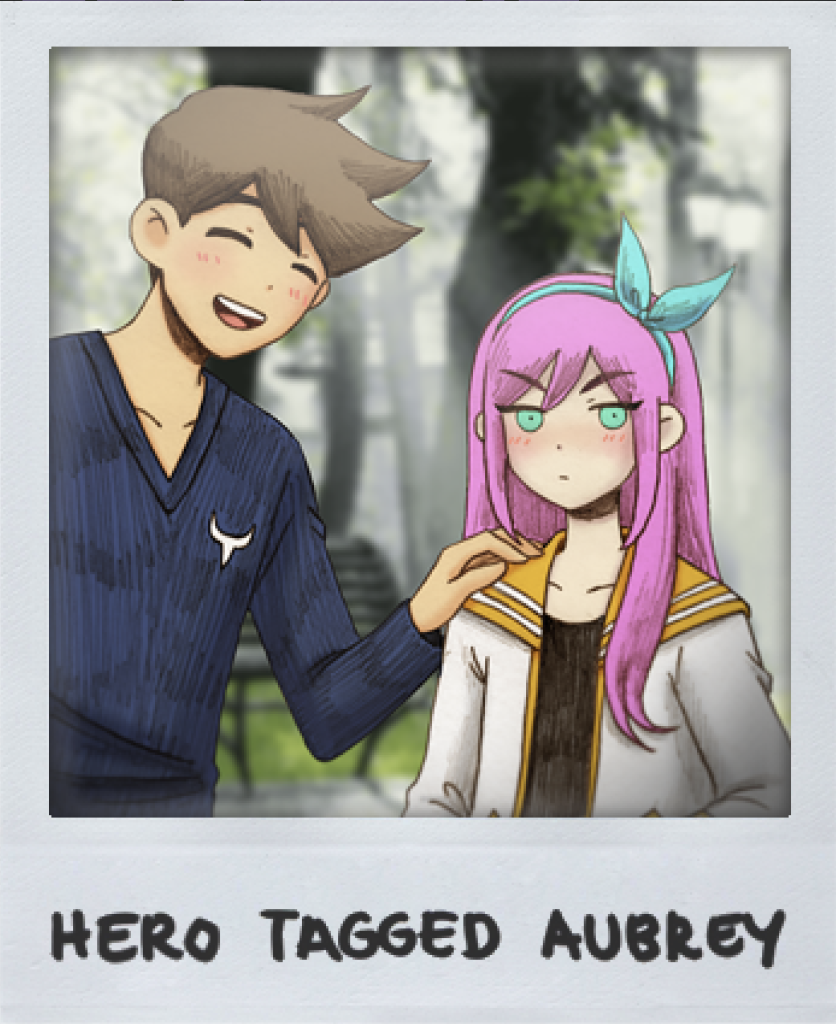
The two parallel plots of OMORI—one, the story of OMORI and his friends trying to find Basil; and two, the story of Sunny reuniting with his childhood friends in the few days he has before moving away from his childhood town—work together to tell a narrative of lies, grief and trauma. The bright world of Headspace has many dark, hidden secrets; and Sunny has a dark secret that he’s plagued by, which is only revealed at the end of the game, when Sunny is able to accept the truth of Mari’s death and reveal it to his friends.
While I don’t think I can necessarily recommend OMORI, I will say that it was a game I needed to play. It showed me that grief and trauma aren’t pretty, and made me question what I would do in Sunny’s situation—living a life ruined by one, fatal mistake.
But just as much as OMORI made me hurt, it gave me comfort. I loved seeing the relationships Sunny had with his friends, both real and imagined, and I loved watching those same friends forgive themselves and apologise for the many mistakes they’ve made in the past.
Because… growing up isn’t easy. Not for me, or you, or anyone. Whether we’re facing life-altering challenges like Sunny, or simply having a bad day, OMORI tells us that we just have to accept these challenges and make the best of them. Because avoiding them will do us more harm than good.
— White Space is emptiness, a home without warmth. A place to survive, but not to live.