
AUTHOR: SARAH PALMER
I’m sure you’ve heard of the ‘male gaze’ – applauding male celebrities and fictional characters who are “written by women” has become a popular TikTok trend based on this idea. Think Andrew Garfield, Hozier or Timothee Chalamet.
The male gaze has held a monopoly on visual media for as long as it’s existed, from advertising to cinema, and not much has been proposed in the way of subverting it. The directors showered with accolades each year are more often men, as are the protagonists of the films they create. Movies that gross most successfully worldwide tend to focus on stories written by men, starring men, and made for male audiences – this is all seen, more often than not, as a fact of the industry.
The actual term ‘male gaze’ was first used by Laura Mulvey in her 1975 essay Visual Pleasure and Narrative Cinema. She recognised that filmmakers, regardless of their gender, assume the presence of a heterosexual male audience first and foremost, and cater to their biases for profit. As such, female characters become “bearer[s] of meaning, not maker[s] of meaning”, only having value in their “display” for “erotic impact”. Mulvey notes that this display occurs through three means: characters interacting with one another, the use of the camera, and the audience’s projection onto heroes of the narrative.
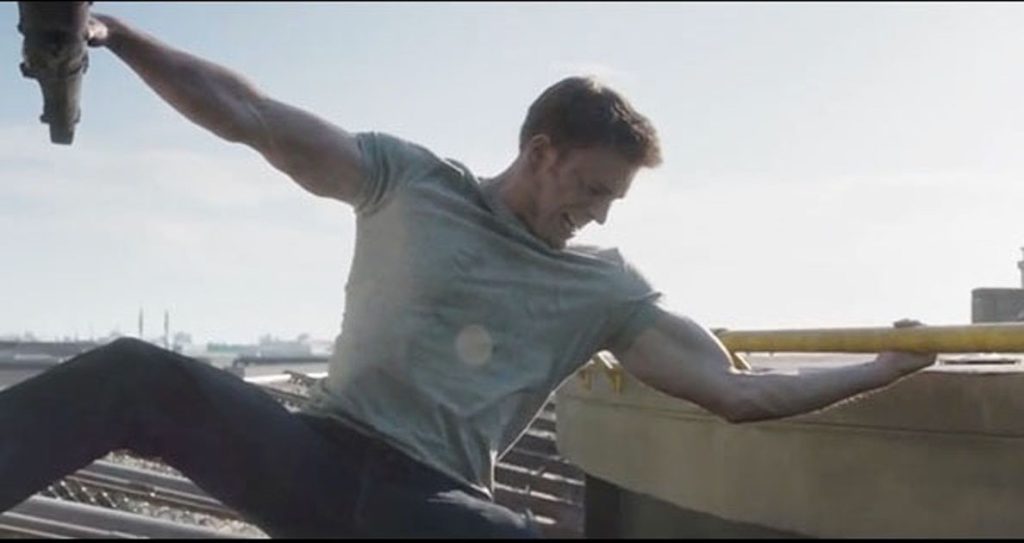
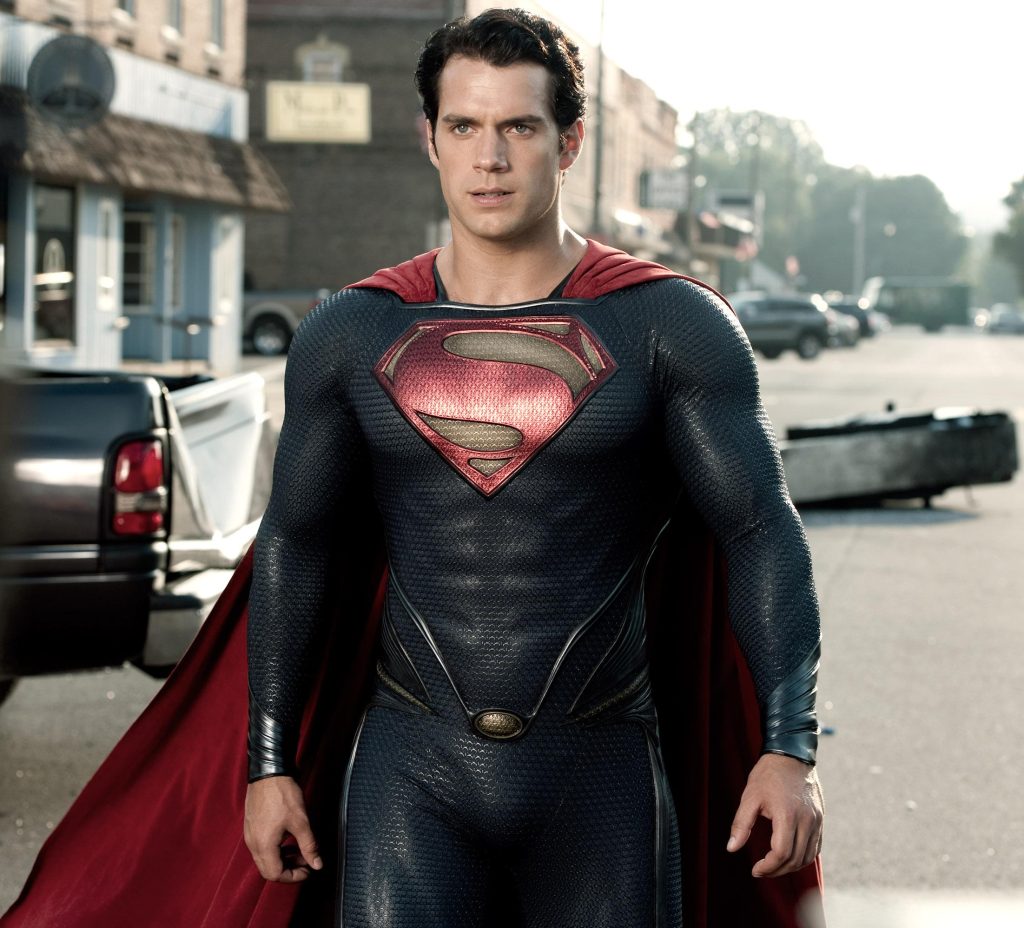
The male gaze doesn’t just affect female characters. When you think of ‘manhood’ or ‘masculinity’ in cinema, what comes to mind? Captain America? Superman? Muscular white men, who have been dieting and pushing themselves to extreme dehydration for days to thin their skin and reveal their six-pack abs? The male gaze presents a version of masculinity that the hypothetical male audience can project themselves onto, seeing themselves as the hero of the story whether they look like them or not. “A male movie star’s glamorous characteristics are thus not those of the erotic object of the gaze, but those of the more perfect, more complete, more powerful ideal ego” [Mulvey]. They’re a male power fantasy.
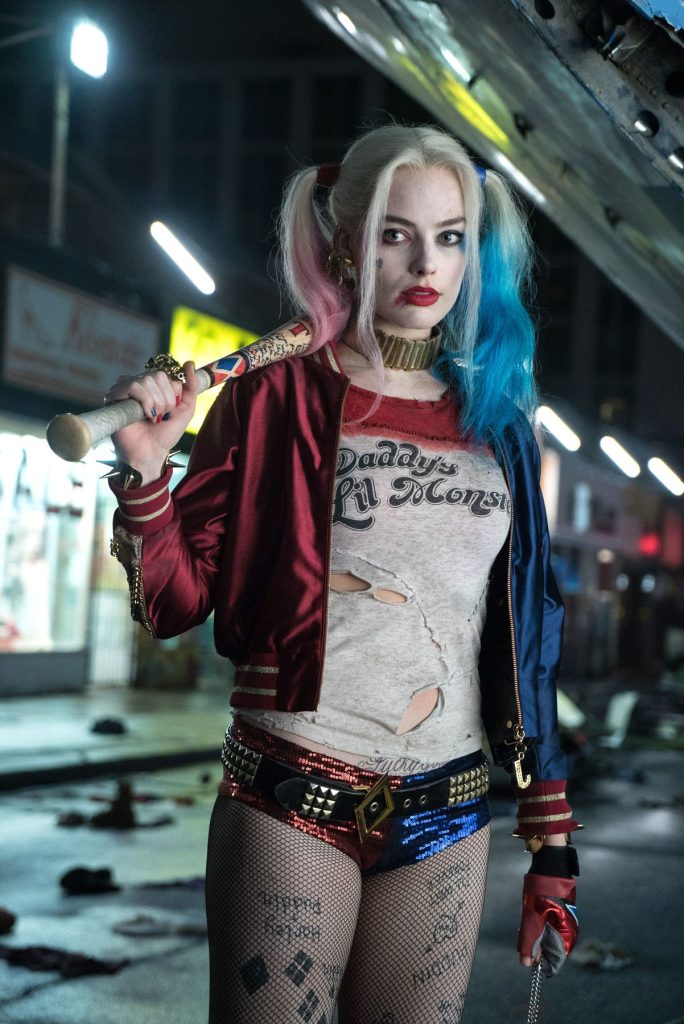
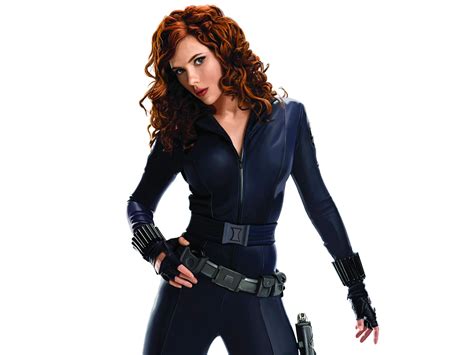
On the flip side, what happens to femininity under the male gaze? What becomes aspirational? Harley Quinn, Black Widow – white women with hourglass figures, skin-tight clothes, red, pouty lips and wide eyes bordered with fluttering lashes. The camera focuses on fragments of their bodies, other characters discuss them as a ‘pretty thing’ or ‘pretty face’. These characters are supposed to be powerful superheroic figures, but because they’re women, the male gaze reduces to spectacle, or ‘eye candy’.
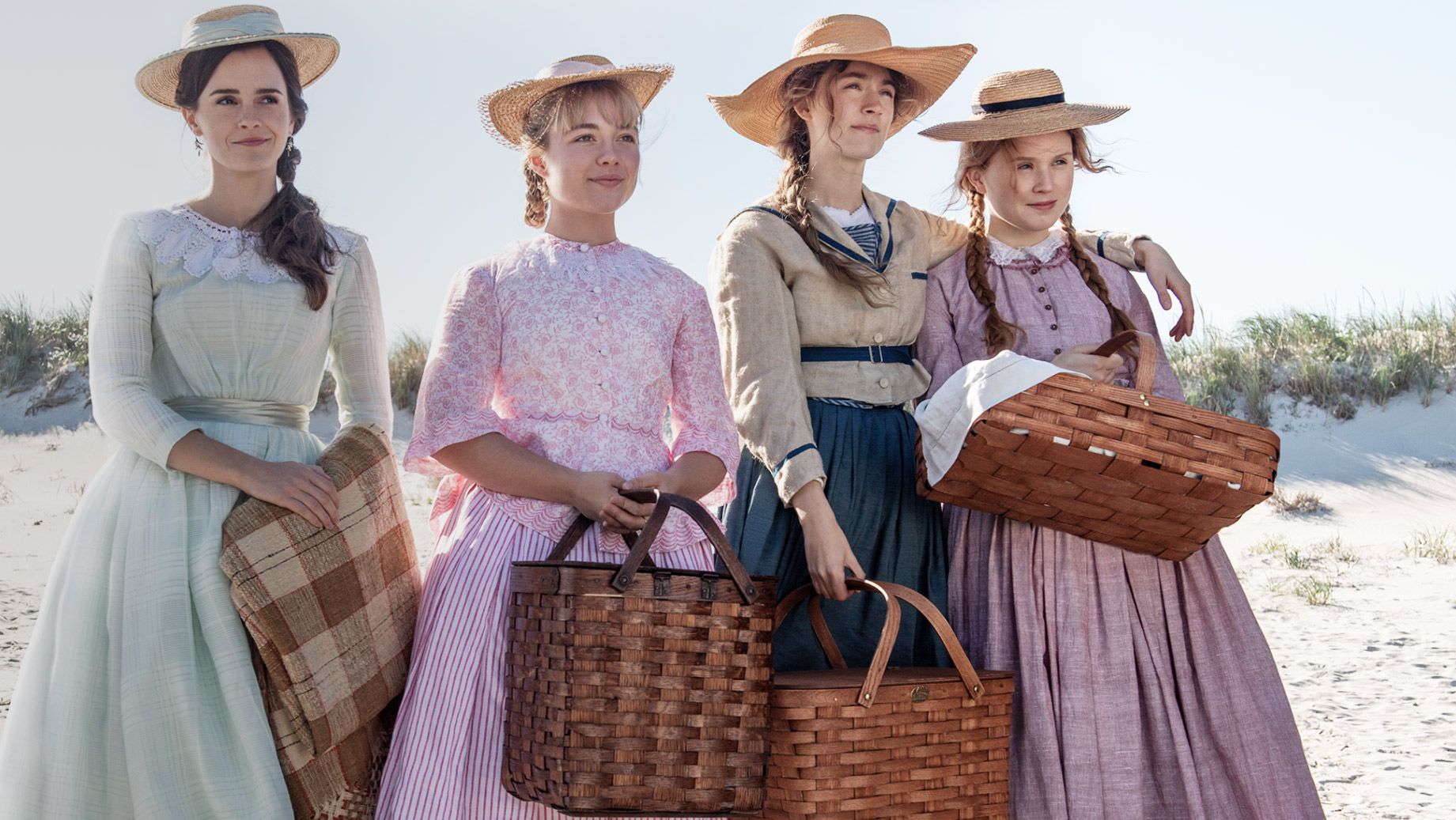
Once the male gaze was recognised and articulated, feminist film critics began to theorise a counter-gaze, or a new framework through which cinema could be created and interpreted. This process was certainly accelerated by widespread critique of the lack of support for and acknowledgement of female filmmakers in Hollywood in recent decades. Joey Soloway calls their theory ‘the female gaze’, as they subvert the principles Mulvey identified to halt the sublimation of female characters. They hail films like Portrait of a Lady on Fire and Little Women as cinematic works that treat female characters like exactly that – characters, with complex emotions, thoughts and storylines to be unpacked.
However, this ‘female gaze’ has some pitfalls of its own. Presenting cinematic works as either ‘male’ or ‘female’ reduces the art form overall to a binary choice, becoming exclusionary where it should be open minded. Furthermore, neither gaze is solely perpetuated by one gender – it’s highly likely for women to internalise the male gaze as early as their teenage years, and that can be reflected in their work. Margaret Atwood articulated this brilliantly in her quote, “You are a woman with a man inside watching a woman. You are your own voyeur.” Every filmmaker has their own unique gaze, based on their perspective as an artist. By calling it the ‘female gaze’, it becomes a perpetuation of the very binary the male gaze itself exploits. Mulvey used the phrase ‘male gaze’ to describe the assumption of a heterosexual male audience, and the appeasement of their desires on screen; it’s not referring explicitly to the gender of the product’s creator, rather, the assumed gender of the consumer.
The female gaze doesn’t represent an inherently female perspective. What’s being called the ‘female’ gaze is just a recognition of film without the male gaze. Traits that align with the female gaze are ways to demonstrate a character’s agency, personality and purpose within the narrative without reducing them to physical spectacle. Through the female gaze, film becomes accessible to all audiences, and the perspective shown is created through the influence of the actors, cinematographers, directors and writers involved, and their unique experience. The implication that when the male gaze is absent, the female gaze is present is reductive and exclusionary to people who don’t align with either perspective.
There’s no need to centre the definition of perspectives within movies around men, or even the gender binary; we already know that it’s counterproductive. We’ve seen movies filled with women’s sexual objectification for hundreds of years. But if the ‘female’ gaze values diversity and variation of perspective above all else, isn’t it oxymoronic and still oppressive to define that gaze as strictly ‘female’?
There is no ‘female gaze’. Allowing all people of all genders complete agency and autonomy on screen is just… well… good cinema.